
Introduction to Best Challah
Challah, a traditional Jewish bread, is not just a staple at religious gatherings but a delightful treat enjoyed by many. This beautifully braided bread is soft, fluffy, and slightly sweet, making it perfect for any occasion—from festive Shabbat dinners to casual brunches. The best challah recipe brings together simple ingredients to create a loaf that is as visually stunning as it is delicious.
The process of making challah is a wonderful blend of art and science. Kneading the dough and allowing it to rise brings a sense of satisfaction and connection to the culinary traditions of the past. As the dough rises, it develops flavors and textures that are simply irresistible, resulting in a rich, golden loaf that is perfect for sharing with family and friends.
Whether you enjoy it fresh out of the oven, toasted with butter, or transformed into French toast, challah is versatile enough to complement any meal. This recipe not only ensures a perfect texture but also captures the essence of what makes challah special. So roll up your sleeves and get ready to create a showstopper loaf that will impress and delight!
Key Ingredients
All-Purpose Flour (4 cups)
All-purpose flour serves as the backbone of the best challah, providing structure and texture. Its high gluten content allows the bread to rise beautifully while maintaining a soft and fluffy interior.
Granulated Sugar (1/4 cup)
Sugar adds a touch of sweetness to the challah, enhancing its flavor and contributing to the browning of the crust during baking. It also helps to activate the yeast, aiding in the dough’s rise.
Vegetable Oil (1/4 cup)
Vegetable oil enriches the dough, keeping it moist and tender. This ingredient contributes to the overall softness of the bread, making each slice delightful to eat.
Salt (1 tablespoon)
Salt is essential for flavor enhancement and helps regulate yeast activity during fermentation. It strengthens the dough and contributes to the bread’s overall taste.
Large Eggs (2)
Eggs add richness and moisture, resulting in a tender crumb while also providing a beautiful golden color to the crust. They play a crucial role in binding the ingredients together.
Instant Yeast (2 teaspoons)
Instant yeast is a fast-acting leavening agent that helps the dough rise quickly. Its convenience allows for a shorter preparation time without sacrificing the quality of the bread.
These key ingredients come together to create a truly special loaf of challah that is perfect for any occasion.
Why You’ll Love This Recipe
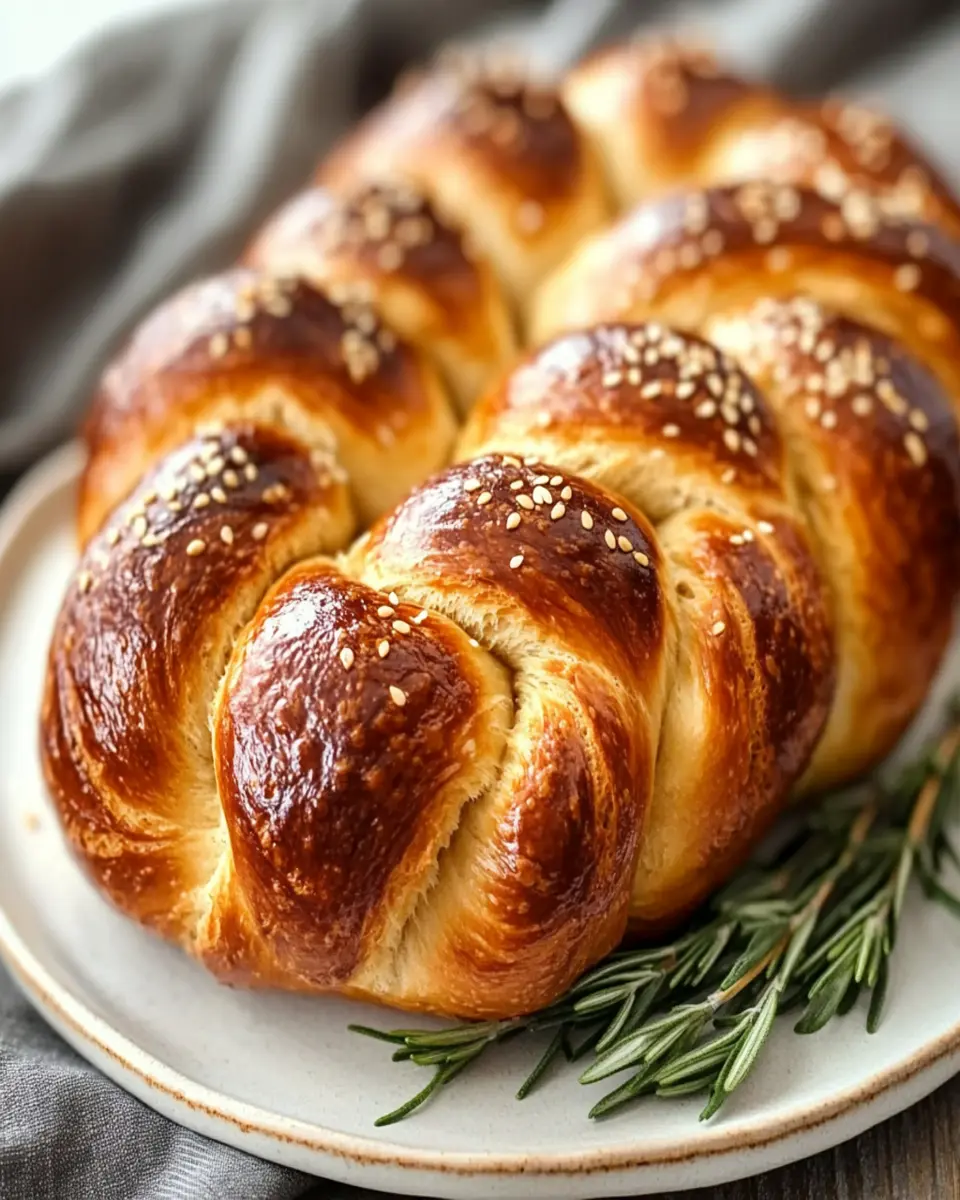
Challah is more than just a loaf of bread; it’s a symbol of tradition and a delicious addition to any meal. This recipe for the best challah offers a delightful combination of flavors and textures that will leave your guests wanting more. The beautifully braided bread is soft, fluffy, and slightly sweet, making it perfect for any occasion—from festive gatherings to cozy family dinners.
One of the highlights of this recipe is its simplicity. With just a handful of ingredients and straightforward steps, even novice bakers can create a stunning loaf that impresses. The process of kneading and braiding the dough becomes a meditative experience, connecting you to the rich culinary traditions behind this beloved bread.
Additionally, challah’s versatility sets it apart. Enjoy it fresh out of the oven, toasted with butter, or transformed into decadent French toast. The best challah adapts beautifully to any meal, making it a true staple in your kitchen. So, gather your ingredients and get ready to bake a loaf that will not only satisfy your taste buds but also warm your heart.
Variations
Sweet Variations
Challah is incredibly versatile, and one of the most delightful ways to customize it is by adding sweet ingredients. Consider incorporating chocolate chips, cinnamon, or dried fruits like raisins or cranberries into the dough for a deliciously sweet twist. These additions not only enhance the flavor but also make for a visually appealing loaf that’s perfect for brunch or dessert.
Savory Twists
For those who prefer a savory flavor profile, you can experiment by adding herbs and spices. Fresh herbs such as rosemary or thyme can be mixed into the dough, while garlic powder or onion flakes can provide a delightful savory aroma. This savory challah makes an excellent accompaniment to soups and salads, offering a unique twist on the traditional recipe.
Toppings and Glazes
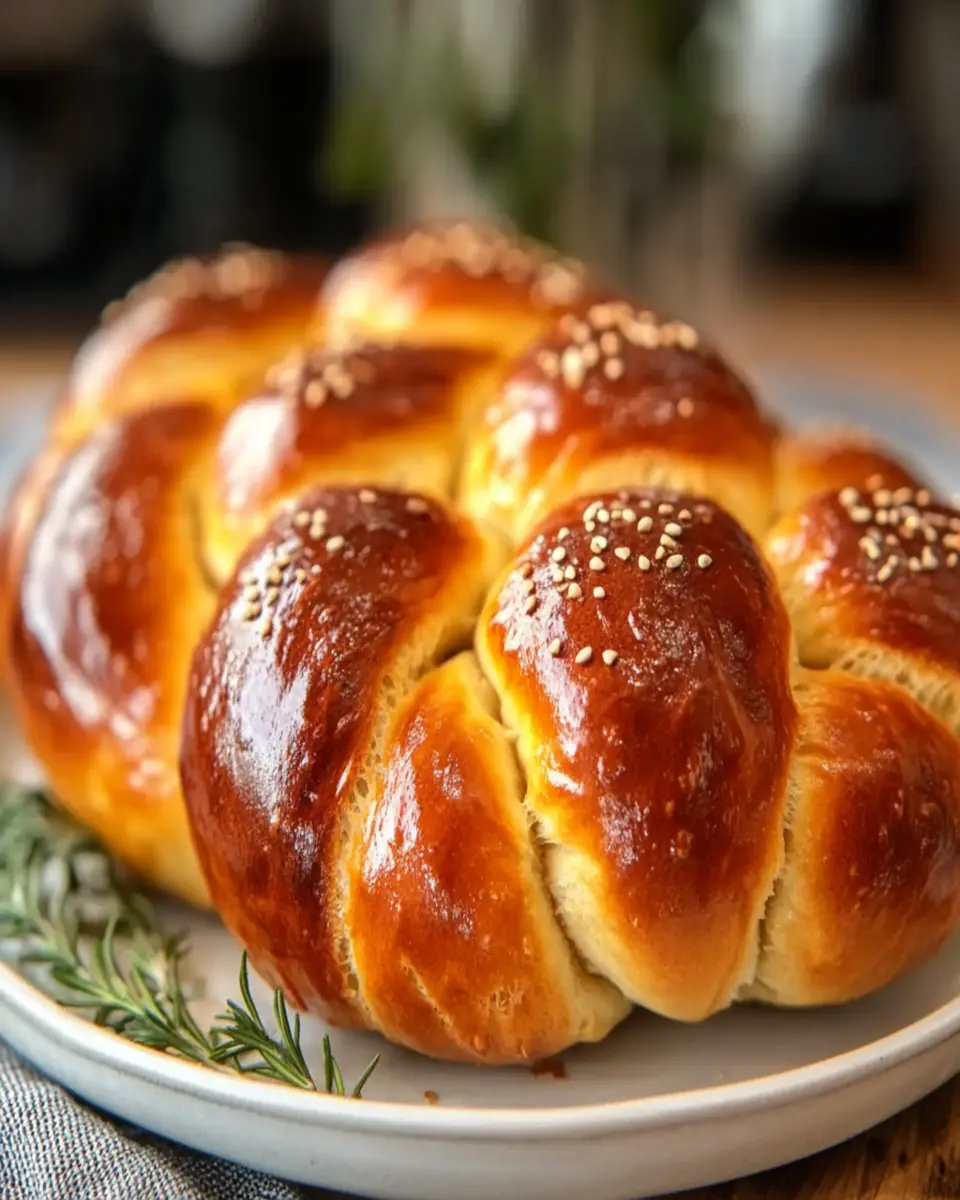
Don’t forget the finishing touches! Brushing the dough with an egg wash before baking gives it a beautiful golden color and shiny crust. You can also sprinkle sesame seeds or poppy seeds on top for added crunch and flavor. These simple variations allow you to create a loaf that suits any occasion while keeping the heart of the best challah intact.
Cooking Tips and Notes
Use the Right Temperature
Ensure your warm water is between 100°F and 110°F (37°C to 43°C) to activate the yeast effectively. Too hot can kill the yeast, while too cold may not activate it properly. A precise temperature will encourage a good rise, making your challah light and fluffy.
Knead Thoroughly
Kneading the dough for about 10 minutes is essential. This process develops gluten, which gives the bread its structure and chewiness. If the dough feels sticky, don’t hesitate to sprinkle a little extra flour, but be cautious not to overdo it, as this can lead to a dense loaf.
Allow for Proper Rising
Patience is key when it comes to allowing your dough to rise. Let it double in size in a warm, draft-free area for 1-2 hours. For a quick rise, you can preheat your oven to the lowest setting for a minute, then turn it off and place the covered dough inside.
These tips can help you create the best challah that is not only visually appealing but also incredibly delicious. Remember, practice makes perfect—so don’t be afraid to experiment and find what works best for you!
Serving Suggestions
Challah is a versatile bread that can be enjoyed in numerous ways, making it a delightful addition to any meal. The best challah can be served fresh, warm from the oven, or toasted with a spread of butter or jam for a simple yet satisfying breakfast.
Breakfast Ideas
One popular way to enjoy challah is as French toast. Slice it thick, dip it in a mixture of eggs, milk, and cinnamon, and then cook it on a griddle until golden brown. Serve with maple syrup or fresh fruit for a decadent brunch treat.
Accompaniments
For lunch or dinner, slices of challah make a fantastic accompaniment to soups and salads. Pair it with a hearty vegetable soup or a fresh green salad for a balanced meal. You can also use it to create delicious sandwiches, adding fillings like roasted vegetables, hummus, or turkey.
Special Occasions
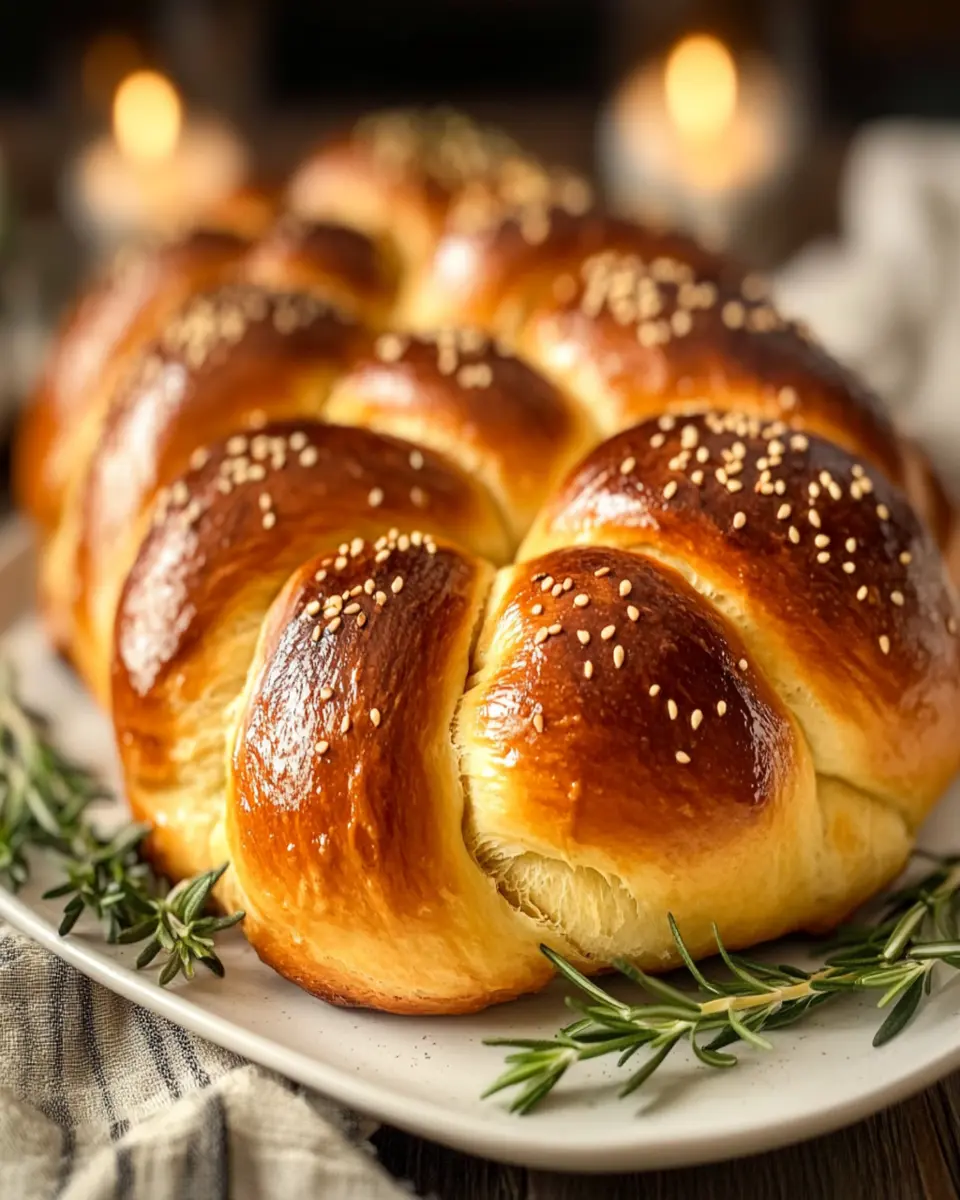
During special occasions, such as Shabbat or holidays, challah can be served alongside traditional dishes. Whether it’s a festive dinner or a casual gathering, this beautifully braided bread will impress your guests and enhance the overall dining experience.
With these serving suggestions, you can enjoy your homemade challah in various delightful ways, ensuring that each meal is something special.
Time Breakdown
When making the best challah, it’s essential to know how to effectively manage your time. This will ensure that your baking experience is both enjoyable and efficient.
Preparation
The preparation time for this recipe is approximately 30 minutes. This includes mixing the ingredients and kneading the dough until it’s smooth and elastic.
Cooking/Baking
The cooking time for the challah is around 30 minutes. During this time, the dough transforms into a beautifully golden bread that fills your kitchen with a delectable aroma.
Total
In total, you can expect to spend about 2 hours from start to finish, including rising times. For an efficient baking experience, consider preparing the dough while you go about your other tasks, allowing it to rise as you enjoy your day.
Nutritional Facts
Understanding the nutritional profile of the best challah can help you enjoy it guilt-free. Each serving contains approximately 150 calories, with 3 grams of sugar, 5 grams of fat, and 4 grams of protein. This bread is a delightful balance of flavors and nutrients, making it a satisfying option for various diets.
Challah offers a decent amount of carbohydrates at 25 grams per serving, providing energy for your day. Additionally, with 1 gram of fiber, it contributes to your daily fiber intake, making it a wholesome choice when enjoyed in moderation.
FAQ based on “People Also Ask” section
What makes challah different from regular bread?
Challah is a traditional Jewish bread that is unique for its braiding and slightly sweet flavor. Unlike regular bread, challah typically incorporates eggs and has a rich, soft texture, which makes it perfect for special occasions and family gatherings.
Can I make challah without eggs?
Yes, you can create an egg-free version of challah by substituting eggs with ingredients like applesauce or flaxseed meal mixed with water. While the texture and flavor may vary slightly, you’ll still achieve a delicious loaf.
How should I store leftover challah?
To keep leftover challah fresh, store it in an airtight container at room temperature for up to three days. For longer storage, consider freezing the bread; it can be thawed and enjoyed later without losing its delightful taste.
What can I do with day-old challah?
Day-old challah is perfect for making French toast, bread pudding, or croutons. Its slightly stale texture allows it to absorb liquids beautifully, making it ideal for these delicious recipes, ensuring no piece goes to waste.
Conclusion
In conclusion, the best challah is not just a recipe; it’s a delightful experience that brings people together. This soft, fluffy, and beautifully braided bread is perfect for any occasion, from festive gatherings to casual family dinners. By following the steps outlined in this guide, you can create a loaf that not only tastes amazing but also looks stunning on your table.
Baking challah is a wonderful way to connect with tradition while also enjoying the process of making something delicious from scratch. So, whether you’re celebrating a special occasion or simply enjoying a cozy night in, this challah recipe is sure to impress. Don’t forget to share your experience, cook, save, and comment on how your challah turned out!
Print
Best Challah
- Total Time: 2 hours
- Yield: 1 large loaf 1x
- Diet: Vegetarian
Description
This Best Challah recipe creates a beautifully braided, sweet bread that’s perfect for any occasion.
Ingredients
- 4 cups all-purpose flour
- 1 cup warm water
- 1/4 cup granulated sugar
- 1/4 cup vegetable oil
- 1 tablespoon salt
- 2 large eggs
- 2 teaspoons instant yeast
Instructions
- In a mixing bowl, combine warm water, sugar, and yeast. Let it sit until frothy.
- Add the eggs, oil, and salt, and mix well.
- Gradually add the flour until a dough forms.
- Knead the dough on a floured surface for about 10 minutes.
- Place the dough in a greased bowl, cover, and let it rise until doubled in size.
- Punch down the dough and divide it into strands for braiding.
- Braid the strands and place them on a baking sheet.
- Let the braided dough rise again before baking.
- Bake in a preheated oven until golden brown.
- Cool before serving.
Notes
- For a richer flavor, you can brush the dough with an egg wash before baking.
- Storing: Keep leftover challah in the refrigerator for up to 3 days.
- Prep Time: 30 minutes
- Cook Time: 30 minutes
- Category: Breads
- Method: Baking
- Cuisine: Jewish
Nutrition
- Serving Size: 1 slice
- Calories: 150
- Sugar: 3g
- Sodium: 150mg
- Fat: 5g
- Saturated Fat: 1g
- Unsaturated Fat: 3g
- Trans Fat: 0g
- Carbohydrates: 25g
- Fiber: 1g
- Protein: 4g
- Cholesterol: 20mg



Leave a Comment