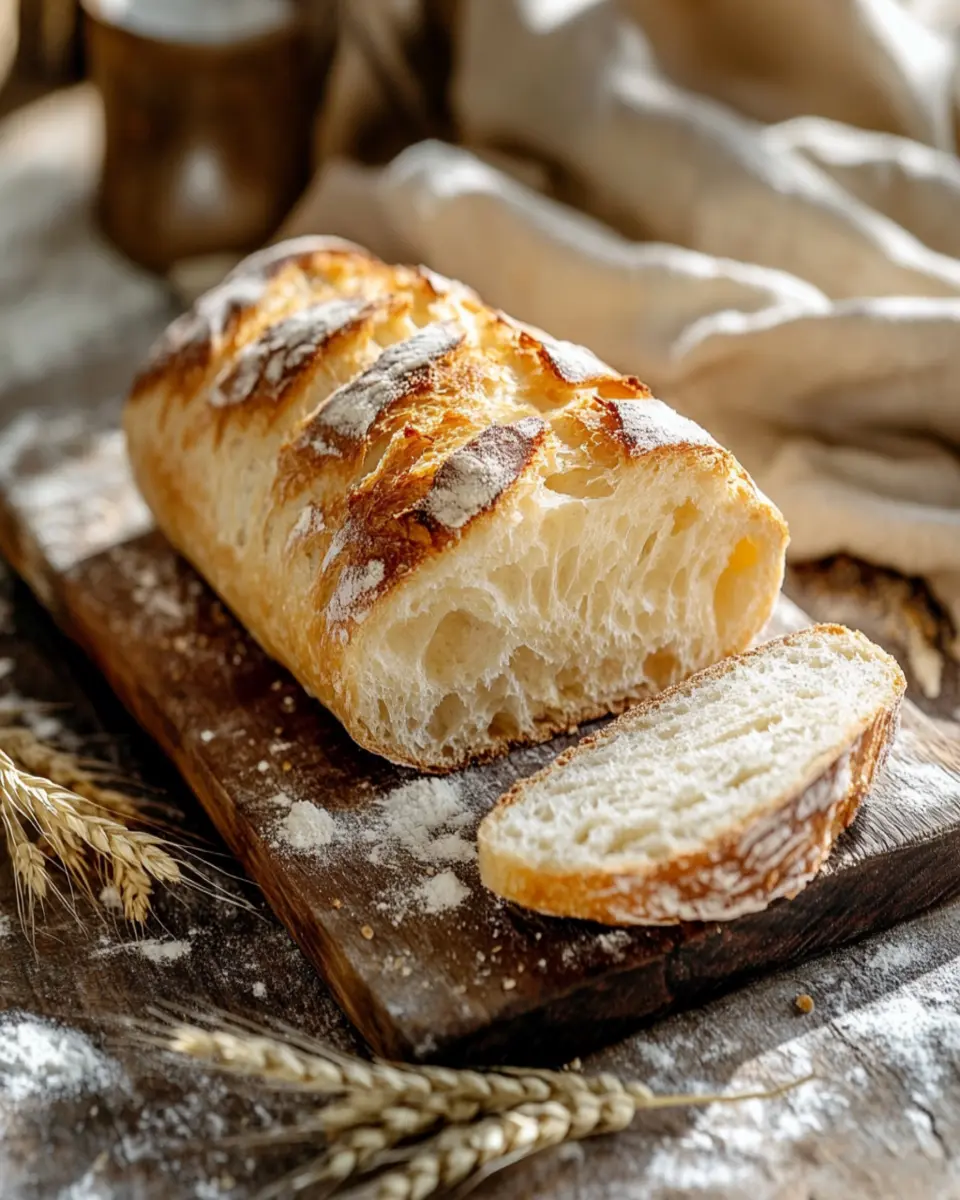
Introduction to Homemade Basque Bread
Basque Bread is a delightful artisan loaf that brings the rich traditions of Basque cuisine right to your kitchen. Known for its crusty exterior and soft, flavorful interior, this bread is perfect for accompanying meals or enjoying on its own with a pat of butter.
The Allure of Homemade Bread
For young professionals and homemade-food lovers, the beauty of making Basque Bread lies in its simplicity. With just a handful of ingredients—flour, water, salt, sugar, and yeast—you can create a loaf that not only tastes fantastic but also fills your home with an irresistible aroma. The process allows for a hands-on experience without requiring extensive baking skills, making it ideal for those short on time but big on flavor.
A Recipe to Cherish
This recipe is designed to fit seamlessly into your busy life. The long fermentation period of 2 hours for rising means you can start the dough, go about your day, and return to bake a fresh loaf. In just about three hours, including prep and baking time, you’ll have homemade Basque Bread ready to impress your friends and family.
So grab your ingredients, roll up your sleeves, and embrace the joy of baking this traditional bread that’s sure to become a staple in your home.
Key Ingredients
When crafting a delicious loaf of Basque bread, the quality and characteristics of each ingredient play a pivotal role. Here’s a closer look at the key ingredients that make this bread a delightful baking adventure.
All-Purpose Flour (4 cups)
All-purpose flour is the backbone of Basque bread, providing the necessary structure and texture. Its moderate protein content ensures a balanced rise and a chewy crumb, making each slice satisfying and delicious. Choosing high-quality flour can significantly enhance the flavor and texture of your bread.
Water (1 1/2 cups)
Water is crucial in this bread-making process as it activates the yeast and helps hydrate the flour. The right temperature is key; warm water encourages yeast activity, leading to a more flavorful and well-risen loaf. This hydration is vital for creating the dough’s texture and consistency.
Salt (1 tsp)
Salt not only enhances the flavor of the bread but also controls yeast activity during fermentation. It helps to strengthen the gluten structure, contributing to the bread’s overall texture. Using kosher or sea salt is often recommended for a cleaner taste.
Sugar (1 tsp)
Sugar acts as food for the yeast, promoting fermentation and helping the bread rise. It also adds a subtle sweetness that balances the savory flavors. A small amount of sugar can make a big difference in the overall taste of the bread.
Active Dry Yeast (2 tsp)
Active dry yeast is the leavening agent that causes the dough to rise. This yeast needs to be activated in warm water before mixing with the other ingredients, leading to a light and airy texture in the final loaf. Instant yeast can be used as a convenient alternative if you prefer.
These ingredients work together to create a traditional Basque bread that is not only delicious but also a joy to bake at home. With each ingredient playing its unique role, you can create a loaf that’s perfect for any occasion.

Why You’ll Love This Recipe
Basque bread is not just a loaf; it’s a delightful culinary experience that brings joy to your kitchen. Whether you’re a young professional or a homemade-food lover, this recipe is designed with you in mind, blending simplicity and flavor in every bite.
Effortless Preparation
One of the standout features of this recipe is its easy-to-follow process. With just 30 minutes of active prep time and a total time of about 3 hours, including rising and baking, you can create a delicious loaf without spending your entire day in the kitchen. Imagine the satisfaction of enjoying freshly baked bread without the fuss.
Versatility at Its Best
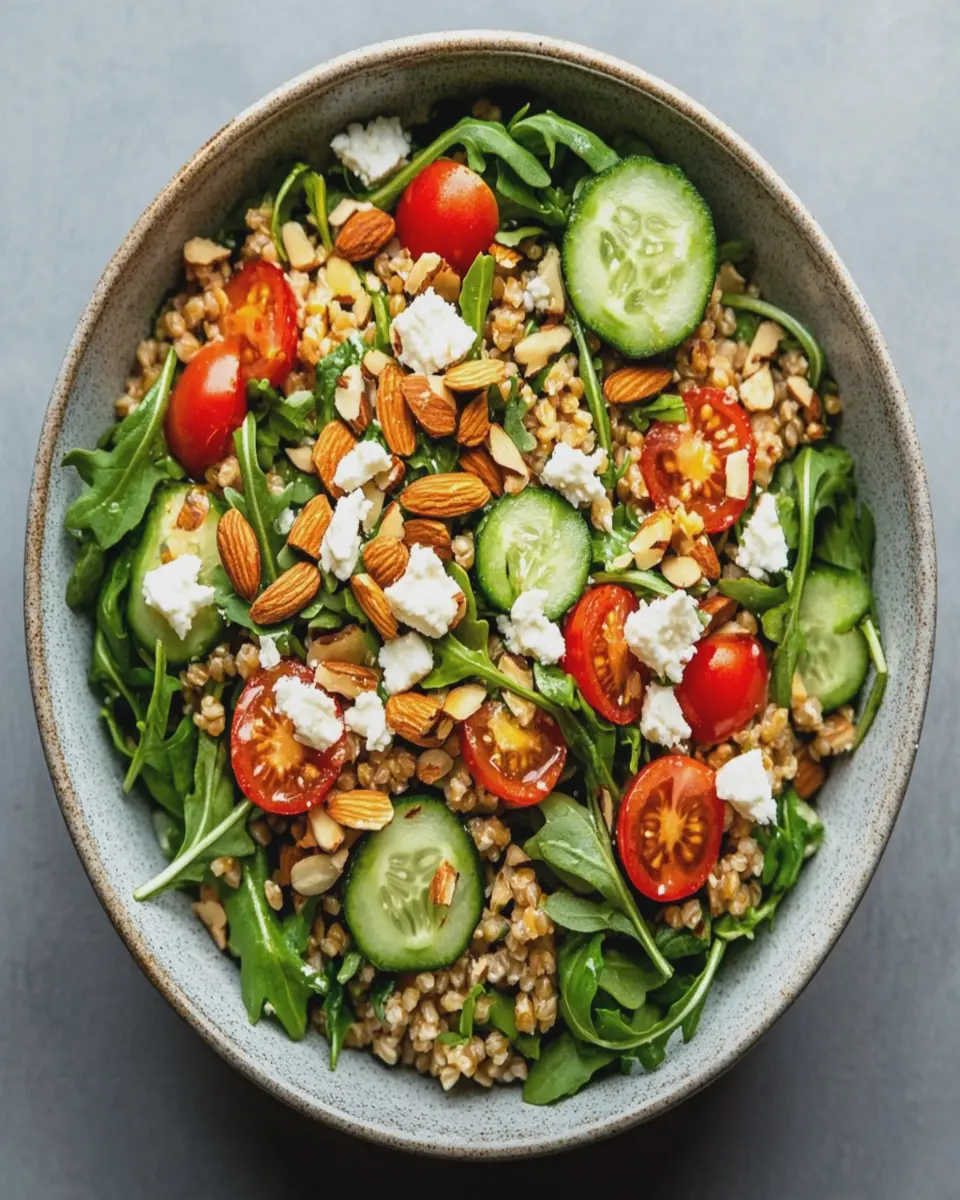
Basque bread shines in its versatility. It pairs beautifully with soups, stews, and salads, or can simply be enjoyed on its own with a smear of butter. You can also customize it by adding herbs or spices to the dough for an extra flavor boost, making it a perfect choice for any meal or occasion.
A Connection to Tradition
By making Basque bread at home, you’re not just baking; you’re connecting with a rich culinary heritage. This bread has a rustic charm that enhances any dining experience, making it a wonderful centerpiece for gatherings or a comforting addition to your weekday meals. Embrace the art of bread-making and enjoy the simple pleasure of homemade Basque bread!
Variations of Basque Bread
Basque bread is a versatile and timeless staple that can be easily adapted to suit a variety of tastes and preferences. Here are some delightful variations to consider when baking this traditional loaf.
Herb-Infused Basque Bread
One popular variation involves adding fresh or dried herbs to the dough. Incorporating rosemary, thyme, or oregano not only enhances the flavor but also adds an aromatic element that elevates the bread. This herb-infused version is perfect for accompanying Italian dishes or served with a dipping oil.
Olive and Cheese Delight
For a heartier option, consider folding in pitted olives and shredded cheese, such as feta or mozzarella, into the dough. The salty, briny olives complement the creamy cheese, creating a savory bread that’s perfect for sandwiches or as a standalone snack. This variation adds a Mediterranean flair to your baking repertoire.
Sweet Variants
If you’re in the mood for something a bit sweeter, try adding ingredients like honey, dried fruits, or nuts to the dough. A touch of cinnamon or nutmeg can also provide warmth and depth. This sweet version of Basque bread is fantastic for breakfast or as a delightful treat with coffee.
These variations showcase the flexibility of Basque bread, allowing you to experiment and discover your favorite flavor combinations. Whether you stick to the classic recipe or venture into these delicious adaptations, your homemade Basque bread will surely impress family and friends!

Cooking Tips and Notes
Baking Basque bread can be a rewarding experience, and a few helpful tips can ensure your loaf turns out perfectly every time. Here are some insights to make your baking journey smoother.
Mastering the Rise
One of the key aspects of making delicious Basque bread is allowing it to rise adequately. Aim for a room temperature of around 70°F (21°C) for optimal yeast activity. If your kitchen is too cold, consider placing the dough in a slightly warmed oven (turned off) to facilitate a better rise. This slow fermentation enhances flavor and texture, making for a more artisan-quality bread.
Achieving the Perfect Crust
For a crustier loaf, bake your Basque bread in a preheated cast-iron skillet instead of a baking sheet. The skillet will create a crispy exterior while maintaining the soft, airy interior. Additionally, for extra steam during baking, you can place a pan of hot water in the oven while baking. This added moisture helps to develop that beautiful crust you’re aiming for.
Storage Tips
Once your Basque bread has cooled, store it wrapped in a cloth at room temperature to keep it fresh. Avoid plastic bags, as they can make the crust soft and chewy. If you have leftovers, consider slicing the bread and freezing it for later use. You can toast slices directly from the freezer, making it a convenient option for quick meals.
By following these tips, you’ll enhance your baking skills and enjoy a delicious loaf of Basque bread that impresses family and friends alike!
Serving Suggestions
Basque bread is a delightful addition to any meal, offering a unique texture and flavor that enhances various dishes. Here are some serving suggestions to make the most of your homemade loaf.
Enjoy with Dips and Spreads
One of the simplest pleasures is to slice your Basque bread and serve it with quality dips and spreads. A drizzle of olive oil with balsamic vinegar makes for a classic pairing, perfect for dipping. You can also try it with hummus, pesto, or a rich tapenade, adding an extra layer of flavor to your meal.
The Perfect Companion for Soups and Stews
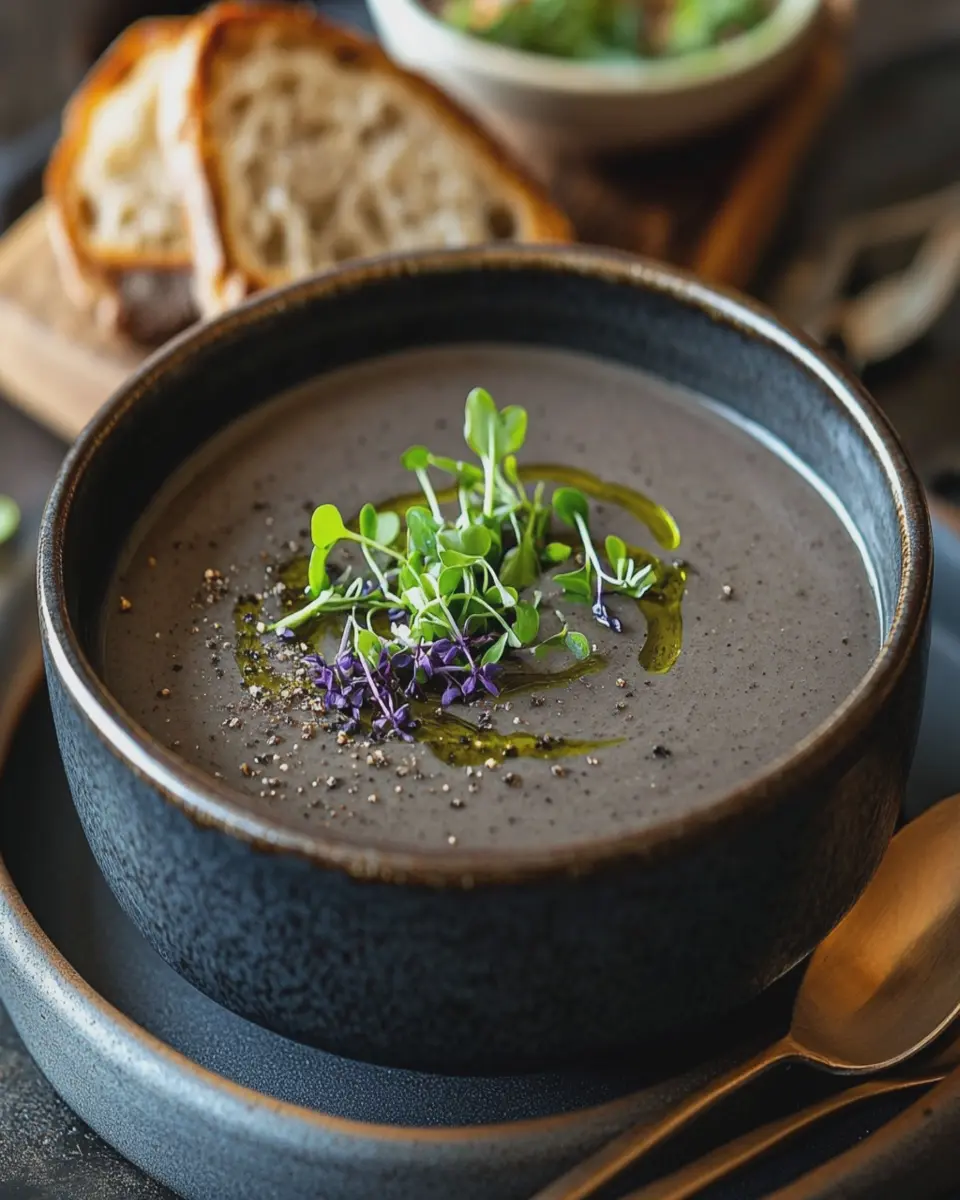
The crusty exterior of Basque bread is ideal for soaking up delicious broths. Serve it alongside hearty soups like minestrone or creamy chowders. A warm bowl of stew becomes even more comforting when paired with a slice of this artisan bread, making your dining experience feel complete.
Create a Savory Sandwich
Use your Basque bread as a base for an impressive sandwich. Layer it with roasted vegetables, fresh mozzarella, and a sprinkle of fresh herbs for an Italian-inspired delight. Or, go for a classic combination of turkey and avocado, enhanced by a smear of mayonnaise or aioli. The possibilities are endless, and each bite will be a testament to your baking skills.
By incorporating Basque bread into these serving suggestions, you not only elevate your meals but also make the most of this versatile and delicious bread!

Time Breakdown
Understanding the time commitment for making Basque bread can help you plan your baking day effectively. Here’s a quick breakdown:
Preparation
30 minutes: This includes mixing the ingredients and preparing the dough.
Cooking/Baking
30 minutes: This is the time spent baking the bread once it has risen.
Total
3 hours: This includes the rising time and baking time.
Efficiency Tip: To maximize your time, start the dough earlier in the day. This allows for a long rise, which enhances the flavor and texture, and you can bake it fresh for dinner!
Nutritional Facts
When indulging in Basque bread, it’s helpful to know its nutritional profile. Each slice of this artisan bread contains approximately 150 calories, making it a satisfying addition to your meals without being overly indulgent. With 1 gram of sugar and 5 grams of protein, it strikes a nice balance for those enjoying homemade bread.
Key Nutritional Information
- Calories: 150
- Sugar: 1 g
- Sodium: 300 mg
- Fat: 1 g
- Saturated Fat: 0 g
- Unsaturated Fat: 0 g
- Trans Fat: 0 g
- Carbohydrates: 30 g
- Fiber: 1 g
- Protein: 5 g
- Cholesterol: 0 mg
This nutritional breakdown makes Basque bread a great option for various diets, especially when paired with healthy toppings or sides. Enjoy it as part of a balanced diet, whether you’re having it with soups, salads, or simply with butter!
FAQ based on “People Also Ask”
What is Basque Bread?
Basque bread is a traditional bread known for its crusty exterior and soft, flavorful interior. It is perfect for accompanying meals or simply enjoyed on its own.
How long does it take to make Basque Bread?
The total time to make Basque bread is about 3 hours, which includes preparation and rising time. This allows for a flavorful bread without requiring extensive active time in the kitchen.
Can I customize the Basque Bread recipe?
Definitely! You can add herbs, spices, or even cheese and olives to the dough for added flavor. This allows you to create a loaf that suits your personal taste and complements various dishes.
How should I store Basque Bread?
To keep your Basque bread fresh, store it in a bread box or paper bag at room temperature. This helps maintain the crust while keeping the bread soft inside.
Conclusion: Embrace Baking with Basque Bread
Baking Basque bread is not just a culinary task; it’s an opportunity to create something truly special. This artisan bread, with its crusty exterior and soft interior, invites you to embrace the joy of homemade food.
By following this simple recipe, you can enjoy the rich tradition of Basque cuisine right in your own kitchen. Whether you’re serving it alongside meals or savoring it with a pat of butter, each slice is a testament to your baking journey.
So, gather your ingredients, set aside some time, and indulge in the satisfaction of making your own Basque bread. Don’t forget to share your experience with family and friends, or even save this recipe for future baking adventures!
Print
Basque Bread
- Total Time: 3 hours
- Yield: 1 loaf 1x
- Diet: Vegetarian
Description
Basque bread is a traditional bread known for its crusty exterior and soft, flavorful interior, perfect for accompanying meals or enjoyed on its own.
Ingredients
- 4 cups all-purpose flour
- 1 1/2 cups water
- 1 tsp salt
- 1 tsp sugar
- 2 tsp active dry yeast
Instructions
- In a bowl, combine water, yeast, and sugar. Let sit for 10 minutes until foamy.
- Add flour and salt, stir until a dough forms.
- Knead the dough for about 10 minutes until smooth.
- Place the dough in a greased bowl, cover, and let it rise for 2 hours until doubled in size.
- Punch down the dough, shape it into a loaf, and place on a baking sheet.
- Cover the loaf and let it rise for another hour.
- Preheat the oven to 475°F (245°C).
- Bake for 25-30 minutes until crust is golden.
- Let cool before slicing.
Notes
- You can add herbs or spices to the dough for additional flavor.
- Store in a bread box or paper bag to maintain the crust.
- Prep Time: 30 minutes
- Cook Time: 30 minutes
- Category: Bread
- Method: Baking
- Cuisine: Basque
Nutrition
- Serving Size: 1 slice
- Calories: 150
- Sugar: 1g
- Sodium: 300mg
- Fat: 1g
- Saturated Fat: 0g
- Unsaturated Fat: 0g
- Trans Fat: 0g
- Carbohydrates: 30g
- Fiber: 1g
- Protein: 5g
- Cholesterol: 0mg








Leave a Comment